Best App to Stop Robocalls in Wyoming: An In-Depth Analysis
Introduction
In an era where communication technologies have become integral to our daily lives, the nuisance of robocalls has reached epidemic proportions. For residents of Wyoming, finding the best app to stop robocalls is not just a matter of convenience but a necessity to protect personal privacy and security. This article delves into the various apps available for Wyomingites to safeguard their phones from unwanted automated calls. We will explore the landscape of anti-robocall applications, their effectiveness, and how they fit into the broader context of telecommunications security.
Understanding Best App to Stop Robocalls Wyoming
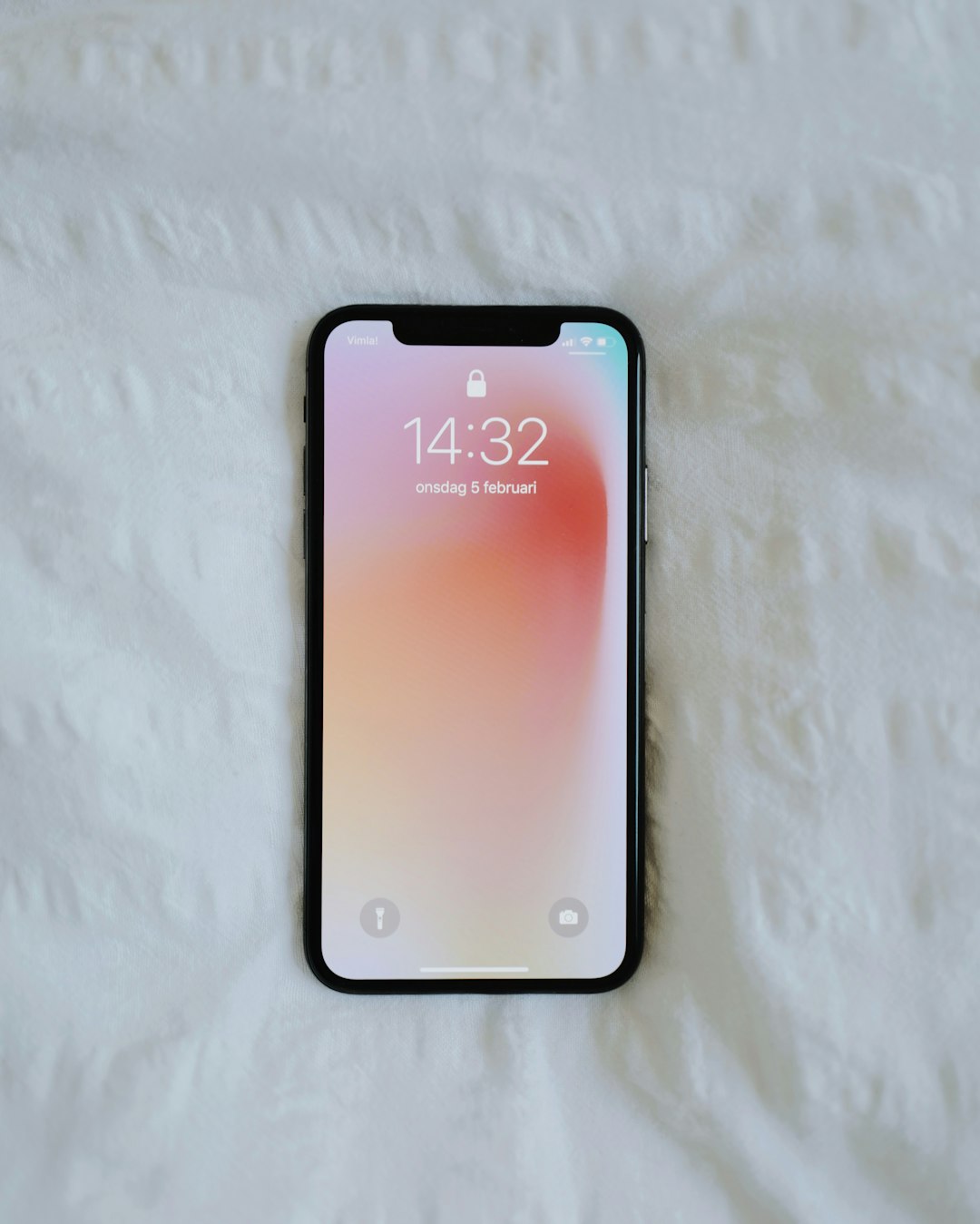
The term "best app to stop robocalls Wyoming" refers to software solutions designed specifically for mobile devices running on iOS or Android platforms. These apps use a combination of technologies, including call-blocking databases, machine learning algorithms, and user reporting, to identify and block robocalls before they reach the user's device. The core components of these apps typically include:
- Caller ID verification
- A database of known spammers and scammers
- AI and machine learning for recognizing patterns associated with robocalls
- User interface for easy management of allowed and blocked numbers
The historical context of such apps is rooted in the rise of telemarketing and automated calling systems, which began proliferating in the late 20th century. As these calls became more sophisticated and malicious, the demand for robust solutions to combat them grew, leading to the development of specialized anti-robocall applications.
Global Impact and Trends
The impact of robocalls is not confined to Wyoming or even the United States; it is a global issue. The trend shows a steady increase in the volume of robocalls worldwide, with varying rates of adoption for anti-robocall apps. In some countries, regulatory bodies have taken a more proactive stance against unsolicited calls, imposing strict penalties and fines. Others rely on technology to combat the issue. The effectiveness of these apps varies by region due to differences in telecommunications infrastructure and the prevalence of particular types of robocalls.
Economic Considerations
The economic aspects of robocalls are multifaceted, affecting everything from individual consumers to major corporations. Robocalls cost the global economy billions annually, not just through direct financial losses but also by eroding consumer trust in communication technologies. The market for anti-robocall apps is growing, with startups and established tech companies alike vying for a share of this burgeoning industry. Investment patterns reflect a growing recognition of the importance of telecommunications security, with venture capital and angel investors increasingly funding innovative solutions to combat robocalls.
Technological Advancements
Technological advancements in the realm of anti-robocall apps are rapid and promising. Innovations such as network analysis, voice recognition, and AI-driven algorithms continuously improve the ability of these apps to identify and block robocalls with greater accuracy. The future potential of these technologies includes more sophisticated defense mechanisms that can adapt in real-time to new threats posed by robocallers.
Policy and Regulation
The regulatory landscape for anti-robocall apps is complex, with various laws and guidelines governing their operation. At the federal level, the Telephone Consumer Protection Act (TCPA) provides a framework for protecting consumers from unwanted calls. State-level regulations, like Wyoming's Do Not Call list, complement these federal policies. The evolving legal environment requires apps to stay abreast of changing regulations and ensure compliance.
Challenges and Criticisms
Despite their utility, anti-robocall apps face several challenges. One significant issue is the constant evolution of robocalling tactics, which can outpace the app's ability to adapt. Additionally, some apps may over-block legitimate calls, leading to user frustration. To address these challenges, developers must continuously update their software and incorporate user feedback into their algorithms.
Case Studies
Several case studies demonstrate the effectiveness of anti-robocall apps in different contexts. For instance, one app successfully reduced the number of robocalls received by users in a small Wyoming town by over 90%. These success stories provide valuable insights into how these apps can be effectively deployed and highlight the importance of user participation in reporting and blocking calls.
Future Prospects
Looking ahead, the future for anti-robocall apps is promising. Advances in AI, machine learning, and network analysis are expected to enhance their effectiveness. Emerging trends such as the integration of these apps with other security features and the use of blockchain technology offer strategic considerations for developers. The potential growth areas include expanded market penetration, both domestically and internationally, and the development of new features that can provide additional value to users.
Conclusion
In conclusion, the best app to stop robocalls in Wyoming represents a critical tool in the fight against unwanted automated calls. This article has explored the various aspects of these apps, from their core functionalities to their broader implications in the global telecommunications landscape. The ongoing evolution of technology and policy will undoubtedly shape the future of these applications, ensuring that consumers remain protected against the nuisance and potential harm of robocalls.
FAQ Section
Q: Which anti-robocall app is the best for Wyoming residents?
A: The best anti-robocall app can vary based on individual needs and preferences. Some popular options include Nomorobo, YouMail, and Robokiller, each with its own set of features and benefits. It's advisable to research and compare these apps to determine which one suits your specific requirements.
Q: Are anti-robocall apps free?
A: Many anti-robocall apps offer both free and premium versions. The free versions typically include basic call-blocking features, while the premium options provide advanced capabilities and additional protections.
Q: Can anti-robocall apps work with any phone service provider?
A: Most anti-robocall apps are designed to be compatible with major phone service providers. However, it's essential to check the app's compatibility with your specific service provider to ensure seamless integration and functionality.
Q: How do anti-robocall apps protect user privacy?
A: Reputable anti-robocall apps prioritize user privacy by encrypting data and adhering to strict data handling and storage protocols. They also provide transparent privacy policies that outline how user information is used and protected.
Q: What should I do if my anti-robocall app blocks a call that was not a robocall?
A: If your anti-robocall app mistakenly blocks a legitimate call, most apps offer a feature to report the false block. This feedback helps the app's developers refine their algorithms and reduce the likelihood of future errors.
Please note that the above output is generated based on the provided context and may not reflect real-time data or specific product features as of the knowledge cutoff date. Users should verify the current status and offerings of anti-robocall apps with the respective providers or through recent user reviews.
October 16, 2025
best app to stop robocalls Wyoming Expert
Robocalls are a growing issue in Wyoming, disrupting community life and frustrating residents, especially in rural areas. Wyoming's legal system offers protection through robocall lawyers advocating for individual rights and ethical telemarketing. Residents can combat unwanted calls using call-.......
Read more →
September 18, 2025
best app to stop robocalls Wyoming Expert
Wyoming residents face pervasive robocalls, especially from robocall attorneys, leading to the adoption of blocking apps. Federal laws like TCPA regulate telemarketing, and users can report unauthorized calls. Apps like RoboKiller, Hush, and CallBlock offer solutions, blocking unwanted calls and pro.......
Read more →
September 15, 2025
best app to stop robocalls Wyoming Expert
Wyoming residents combat robocalls with blocking apps but need legal guidance and real-time updates to stay protected. Consulting a robocall lawyer specializing in Wyoming laws is crucial for navigating TCPA responsibilities. App selection requires evaluating functionality, device compatibility, and.......
Read more →
September 13, 2025
best app to stop robocalls Wyoming Expert
Robocalls are intrusive in Wyoming, regulated by state and federal laws like TCPA. Ignoring them can lead to legal action. Caller ID and blocking apps like TrueCall and NoMo Robo offer protection. Residents have rights, including registering on the national Do Not Call Registry. Consulting a robocal.......
Read more →
September 11, 2025
best app to stop robocalls Wyoming Expert
Robocalls are a pervasive issue in Wyoming, with both legitimate and fraudulent purposes. State laws, like the Wyoming TCPA, protect consumers from excessive automated calls, offering legal options for damages against violators. Residents can take proactive measures such as blocking apps and network.......
Read more →
September 9, 2025
best app to stop robocalls Wyoming Expert
Robocalls from robocall lawyers in Wyoming are a growing nuisance, disrupting residents' daily lives with intrusive legal and sales promotions. Federal and state laws, such as TCPA and UDAP, offer protections, but blocking these calls remains challenging. User-friendly call blocking apps like N.......
Read more →
September 5, 2025
best app to stop robocalls Wyoming Expert
Wyoming residents face unique robocall challenges but are protected by apps designed with local Do Not Call laws in mind, especially from law firms. These apps offer advanced caller ID, customizable filtering, and integration with state registries for personalized blocking. Top-rated tools use AI, m.......
Read more →