Wyoming residents face a robocall surge, with 30% daily impacts. While state Do Not Call laws exist, their effectiveness is limited. Federal TCFAP mandates explicit consent for marketing calls, but unwanted calls persist. Advanced robocall blocking apps like TrueCall and NoCall offer high accuracy. Combining Wyoming's Do Not Call law with these technologies creates a comprehensive strategy. Residents can register on the national Do Not Call Registry, consult legal experts, use monitoring tools, and engage local Do Not Call law firms in Wyoming for tailored support. A multi-layered approach empowers residents to reclaim control over their communication channels.
In today’s digital era, Wyoming residents, like many across the nation, face an increasingly overwhelming influx of robocalls. These unwanted calls from telemarketers and scammers not only disrupt daily life but also pose significant risks to personal security and privacy. Navigating this labyrinthine issue requires a robust solution that respects individual choices while ensuring critical information reaches those who need it. This article delves into the top-rated robocall blocking solutions available to Wyoming residents, offering practical guidance in light of the state’s Do Not Call laws, specifically targeting law firms. By exploring these options, we aim to empower folks with the tools necessary to reclaim their peace of mind and protect themselves from potentially harmful calls.
Understanding Robocalls in Wyoming: Legal Frameworks
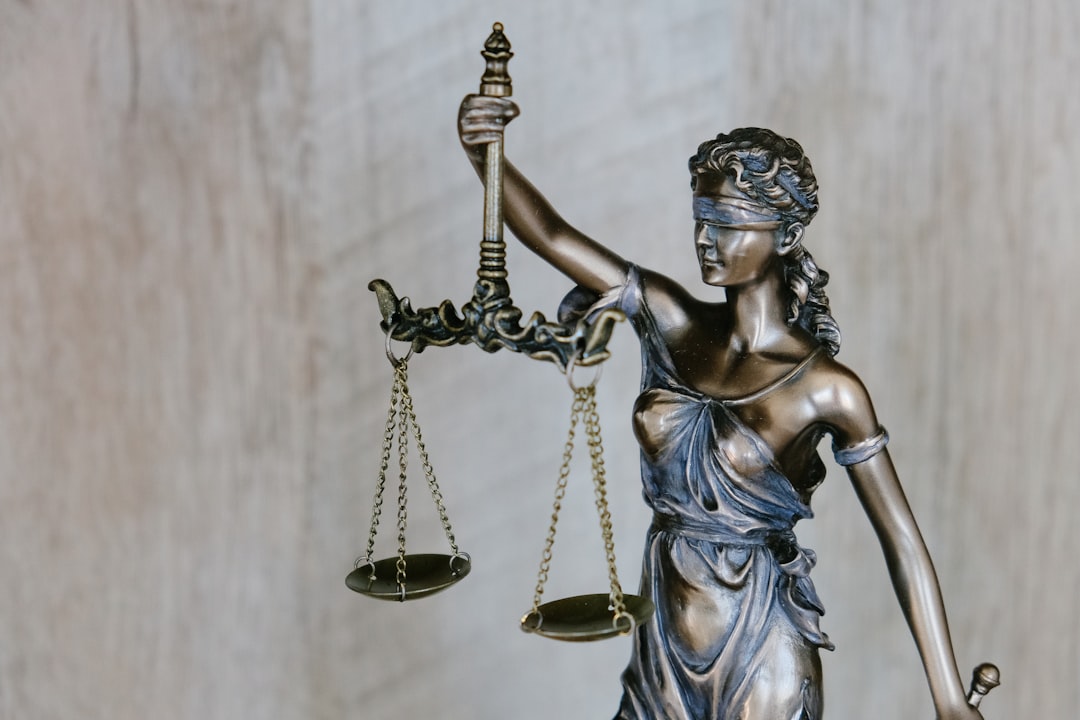
Robocalls have become a ubiquitous nuisance across Wyoming, with an estimated 30% of residents receiving unsolicited automated calls daily. This surge has prompted a closer examination of the legal frameworks in place to combat these intrusive communications, particularly within the realm of telemarketing practices. Wyoming’s Do Not Call law, enforced by the state attorney general, allows residents to register their phone numbers on a statewide “Do Not Call” list, restricting automated calls from various sources, including telemarketers and political organizations. This initiative has shown modest success, but many Wyomingites still face challenges with persistent robocalls.
The Telemarketing and Consumer Fraud and Abuse Prevention Act (TCFAP) serves as a federal complement to state laws, empowering the Federal Trade Commission (FTC) to regulate interstate and foreign commerce in telemarketing. This act mandates that companies obtain explicit consent before initiating automated calls for marketing purposes, with stringent penalties for non-compliance. Notably, TCFAP protects consumers from unwanted calls even if they haven’t registered on a “Do Not Call” list, making it a robust tool against robocallers. For instance, in 2022, the FTC fined a telemarketing company $17 million for placing millions of unauthorized calls to Wyoming residents, underscoring the enforcement capabilities of these legal frameworks.
Despite these measures, wyomingites still face a complex landscape of robocall regulations. Do Not Call law firms in Wyoming naturally play a vital role in guiding residents through this maze. Legal experts advise that consumers should regularly review their rights and report suspect calls to relevant authorities. Proactive enforcement and constant vigilance are key to mitigating the impact of robocalls, ensuring Wyoming residents enjoy a quieter, more peaceful communication environment.
Top Robocall Blocking Solutions for Residents

Wyoming residents face a significant challenge from robocalls, which have become increasingly prevalent and intrusive. According to recent studies, robocalls account for nearly half of all calls received by Americans, with many targeting specific states, including Wyoming. This surge in automated telemarketing calls has prompted the need for robust solutions that protect residents’ privacy and peace of mind.
One of the most effective strategies is to utilize advanced robocall blocking technologies. Top-rated solutions employ sophisticated algorithms that can identify and block unwanted calls with high accuracy. For instance, some apps use machine learning to adaptively learn patterns and filter out known spam numbers. These applications not only block sales calls but also political or fraudulent messages, ensuring a quieter line. Many Wyoming residents have found success in using reputable blocking apps like TrueCall or NoCall, which offer robust protection against unwanted robocalls.
Additionally, Wyoming’s Do Not Call law provides a crucial layer of defense for residents. By registering their phone numbers on the state’s official Do Not Call list, individuals can restrict direct marketing calls from various sources, including telemarketers and law firms. This measure, combined with robust blocking technologies, offers a comprehensive strategy to combat robocalls effectively. It empowers Wyoming residents to regain control of their communication channels and enjoy a more peaceful and private phone experience.
Implementing Do Not Call List: A Step-by-Step Guide

In Wyoming, residents looking to combat relentless robocalls have a powerful weapon at their disposal: the Do Not Call list. This simple yet effective tool is a cornerstone of consumer protection under the Telephone Consumer Protection Act (TCPA). Implementing the Do Not Call list involves a structured approach that ensures compliance and maximum effectiveness. Here’s a step-by-step guide tailored for Wyoming residents to harness the power of this legal shield.
First, familiarize yourself with Wyoming’s specific Do Not Call law, which mirrors federal regulations but includes state-specific provisions. The process begins by registering your phone number on the national Do Not Call Registry, accessible through the Federal Trade Commission (FTC) website. This registration serves as a foundational step, ensuring that your number is marked for protection across all calls, including those originating from out-of-state or international sources. Wyoming residents should then consult with local legal experts to confirm their understanding of state-level protections and any unique considerations relevant to the region.
Once registered, actively monitor incoming calls to verify compliance. Many robocall blocking solutions offer features that automatically filter out unwanted calls, providing immediate relief. However, staying informed about emerging call patterns and scams is crucial. For instance, Wyoming residents have reported a rise in scam calls impersonating government agencies or local utilities. Regularly updating your robocall blocking software and educating yourself on these trends ensures robust protection. Engaging with reputable do-not-call law firms in Wyoming can offer tailored advice and support for those facing relentless or invasive calls. These professionals guide residents through the legal framework, ensuring compliance while navigating any complexities.
To enhance protection, consider going beyond simple registration. Wyoming’s Do Not Call law allows residents to file formal complaints against persistent call centers or unknown callers. These complaints can trigger investigations by state attorneys general, who have the authority to take action against violators. By actively participating in these complaint mechanisms, residents not only protect themselves but also contribute to a broader effort to curb robocalls across the state. This multi-layered approach combines legal tools with technological solutions, empowering Wyoming residents to reclaim control over their communication channels.