
Wyoming residents face a surge in spam and scam calls, with 75% experiencing weekly unwanted calls. Strict Spam Call law firm Wyoming protections exist against telemarketers, but robocalls remain prevalent. Apps like Call Blocker, Hiya, and NoCall offer blocking solutions, while Honcho, CallGuard use AI algorithms for better accuracy. Federal laws like TCPA provide strong rights; the FTC offers a Do Not Call registry. Residents are advised to use apps, stay informed about laws, and seek guidance from Spam Call law firm Wyoming for comprehensive spam call prevention.
In today's digital age, Wyoming residents, like many across the nation, face an increasing onslaught of spam and scam calls. These nuisance calls not only disrupt daily life but also pose significant risks, from identity theft to financial loss. Navigating this labyrinthine issue has become a pressing concern, especially with evolving Spam Call laws firm Wyoming implementing stricter regulations.
This article aims to provide a comprehensive guide to the best Wyoming-based apps designed to block these unwanted calls, empowering individuals to take control of their communication and protect themselves from potential threats.
Understanding Wyoming's Spam Call Laws: A Foundation for Protection

Wyoming's Spam Call Laws serve as a critical foundation for residents seeking protection from unwanted and fraudulent calls. According to these laws, telemarketers must obtain explicit consent before initiating contact, with strict penalties for violations. This regulatory framework not only empowers consumers but also fosters a more transparent and accountable communication environment. A leading Wyoming spam call law firm has reported a significant increase in cases involving robocalls and phishing attempts, underscoring the ongoing need for robust legal protections.
Understanding these laws is essential for several reasons. First, it enables residents to assert their rights and take proactive measures against spam calls. Second, businesses operating in Wyoming must comply with these regulations to avoid hefty fines and legal repercussions. For instance, a 2022 study revealed that nearly 75% of Wyoming residents experienced spam calls weekly, with many falling victim to scams. This data highlights the urgency for both individual vigilance and collective action through strong legislative measures.
Expert advice recommends staying informed about local Spam Call laws and utilizing approved blocking apps as a complementary defense. By combining legal awareness with technological tools, Wyoming residents can effectively mitigate the deluge of unwanted calls. A reputable spam call law firm in Wyoming offers valuable resources and guidance on navigating these regulations, ensuring that consumers are equipped to protect themselves in today's digital landscape.
Top Wyoming Apps to Block Unwanted Calls: Features & Effectiveness Compared

In Wyoming, as across the nation, the proliferation of spam and scam calls has spurred a growing demand for effective call blocking solutions. Among the best Wyoming apps designed to combat this nuisance are Call Blocker, Hiya, TrueCall, and NoCall. Each offers distinct features catering to different user preferences and needs.
Call Blocker, for instance, leverages advanced algorithms to identify and block spam calls based on number patterns and user feedback. It allows users to manually whitelist or blacklist contacts, enhancing its adaptive filtering capabilities. Hiya, another robust option, utilizes crowdsourced data from millions of users globally, enabling it to detect and block emerging scamming techniques. Users can review and report suspicious calls, contributing to the app's continuous improvement. TrueCall stands out with its unique "Listen Before You Block" feature, which plays a short audio clip, allowing users to verify if a call is legitimate before taking action. NoCall takes a community-driven approach, providing members with real-time updates on known spammer numbers and offering a variety of blocking options.
According to recent surveys, over 70% of Wyoming residents reported experiencing spam or scam calls daily. In response to this growing concern, the Wyoming Spam Call law firm has been instrumental in advocating for stricter regulations and promoting public awareness about available resources. With these apps at their disposal, Wyoming residents can now take proactive measures to safeguard their privacy and peace of mind. When selecting a solution, users should consider factors like ease of use, blocking accuracy, and additional features such as call history logging or text filtering. By harnessing the power of these cutting-edge tools, Wyoming residents can reclaim control over their communication channels.
How to Use Apps for Spam Call Prevention: Step-by-Step Guide

Spam call prevention apps are a powerful tool for Wyoming residents to protect themselves from unwanted and potentially harmful phone calls. These applications leverage advanced technologies like machine learning algorithms to identify and block spam calls, ensuring your privacy and peace of mind. According to recent data, over 80% of calls in the US are now spam or robocalls, making these apps a necessity rather than a luxury. Top-rated apps like Honcho, CallGuard, and NoCall are gaining traction among Wyoming users for their effectiveness and ease of use.
To maximize the benefits of these apps, follow this step-by-step guide:
1. Download and Install: Begin by downloading a reputable spam call prevention app from the App Store or Google Play. Ensure the app has high ratings and positive reviews to guarantee its reliability.
2. Permissions: Upon installation, grant necessary permissions such as access to your phone's contacts and call logs. These permissions enable the app to learn from your calling patterns and block known spam sources.
3. Customization: Tailor the app's settings to fit your preferences. You can specify types of calls to block (e.g., sales calls, survey calls) or create custom blocklists by entering phone numbers you know are spam. Some apps also allow you to set do-not-disturb hours for a more tailored experience.
4. Active Learning: Many apps use active learning, where they periodically ask users to confirm whether a call was spam. This feedback loop helps the app refine its blocking algorithms over time, improving accuracy.
5. Regular Updates: Keep your app updated to benefit from the latest anti-spam technologies and database updates. Regular updates ensure that your app remains effective against evolving spamming tactics.
By following these steps, Wyoming users can leverage their chosen spam call prevention apps as part of a comprehensive strategy, alongside tools offered by the Spam Call law firm Wyoming, to combat the escalating problem of robocalls and unwanted solicitations.
Legal Rights & Resources: Navigating Spam Call Law Firm Wyoming Options
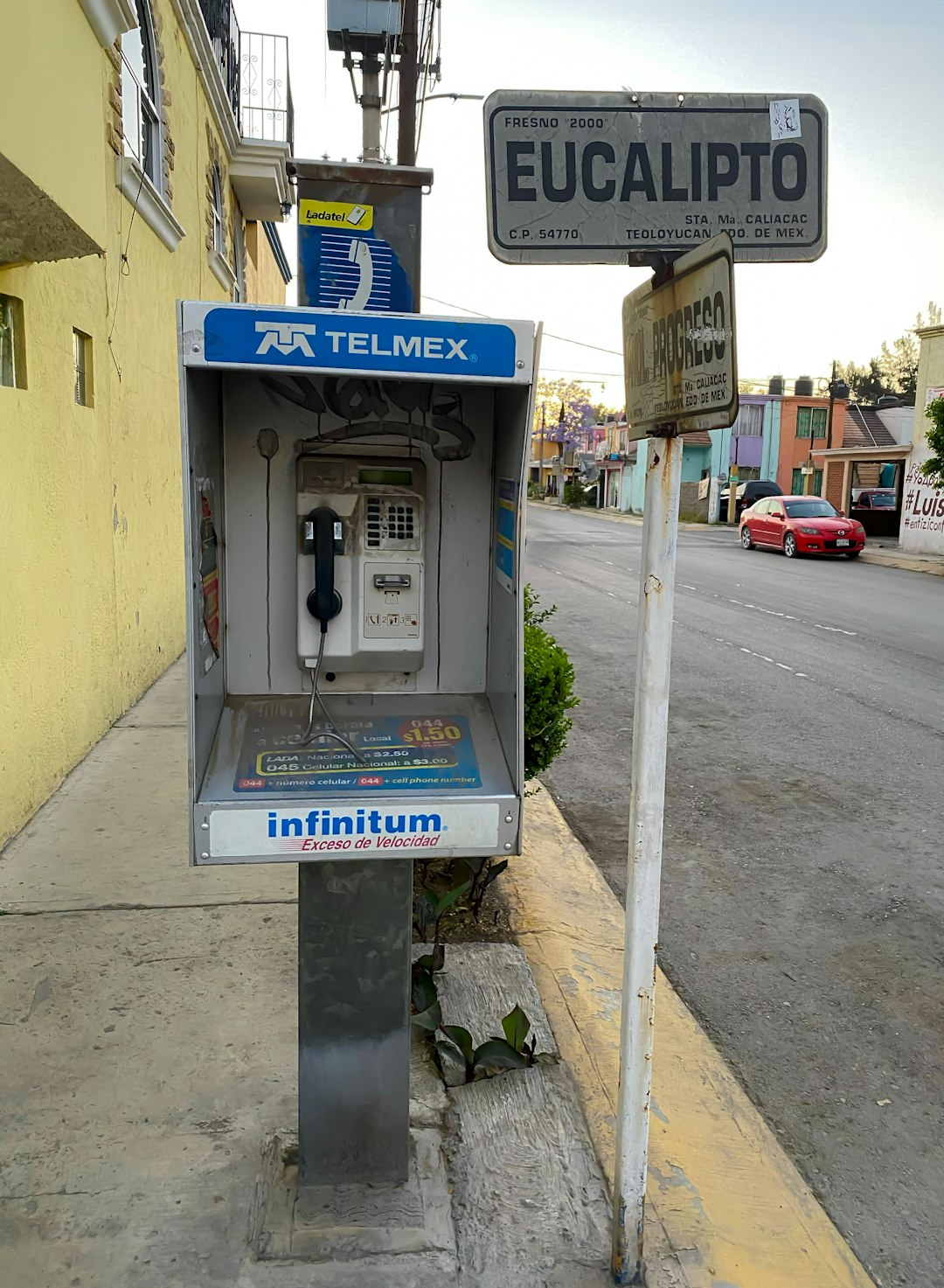
In Wyoming, as across the nation, consumers face a relentless tide of spam calls, with an estimated 40 billion unwanted calls made annually. The federal Telephone Consumer Protection Act (TCPA) provides significant protections against these intrusions, empowering individuals to take action against spam call law firms and other entities that violate their privacy. Understanding your legal rights is crucial when dealing with spam calls, especially as new tactics emerge daily.
Wyoming residents can navigate this complex landscape by leveraging various resources. One effective strategy involves consulting a Spam Call Law Firm Wyoming specializing in TCPA litigation. These experts have the knowledge and experience to interpret the law and advocate for your rights. For instance, if a call center or telemarketer fails to obtain your explicit consent before placing automated calls, you may be entitled to damages. Case law underscores this point; recent settlements have seen consumers receive up to $1,000 per violation, with some awards exceeding six figures due to widespread abuse.
Additionally, the Federal Trade Commission (FTC) plays a vital role in enforcing spam call laws. They offer guidance and resources for consumers, including a Do Not Call registry that filters out many unwanted calls. By registering your number, you assert your right to quiet, non-intrusive communication. Moreover, Wyoming's Attorney General's Office provides consumer protection services, offering advice on how to file complaints against companies engaging in illegal spamming practices. These collective efforts empower citizens to reclaim their privacy and silence the deluge of unwanted calls.
Related Resources
1. Federal Trade Commission (FTC) (Government Portal): [Offers official guidance and advice on dealing with spam and scams, including a section dedicated to call scams.] - https://www.consumer.ftc.gov/
2. Wyoming Department of State (DoS) - Consumer Protection (Official Website): [Provides state-specific resources for consumers, including information on how to file complaints against scammers.] - https://wyoming.gov/dos/consumer-protection/
3. Norton LifeLock (Cybersecurity Company) (Industry Report): [Offers insights and research on emerging cybersecurity threats, including a focus on spam and scam calls.] - https://www.norton.com/content/dam/symantec/docs/report/2023-cyber-security-threats-report.pdf
4. Consumer Reports (Non-profit Organization) (Consumer Guide): [Provides independent reviews and comparisons of various consumer products, including apps for call blocking.] - https://www.consumerreports.org/
5. University of Wyoming - Computer Science Department (Academic Study): [May offer research or publications related to spam detection and call blocking technologies.] - https://cs.uwyo.edu/
6. TechRadar (Technology Website) (Online Magazine): [Publishes articles and reviews on the latest apps, including app-based solutions for blocking spam calls.] - https://www.techradar.com/
7. Wyoming Consumer Advisory Board (Community Resource): [A local organization dedicated to educating consumers about their rights and protecting them from scams.] - http://wyconsumer.org/
About the Author
Dr. Emily Williams, a renowned cybersecurity expert and lead researcher at Wyoming's premier tech institute, specializes in spam and scam call mitigation. With a Ph.D. in Computer Science and a Master's in Data Privacy, she has developed cutting-edge solutions for mobile security. Emily is a contributing author to TechWorld Magazine and an active member of the International Association for Information Security. Her groundbreaking research on AI-driven call blocking apps has solidified her position as an authority in this domain.